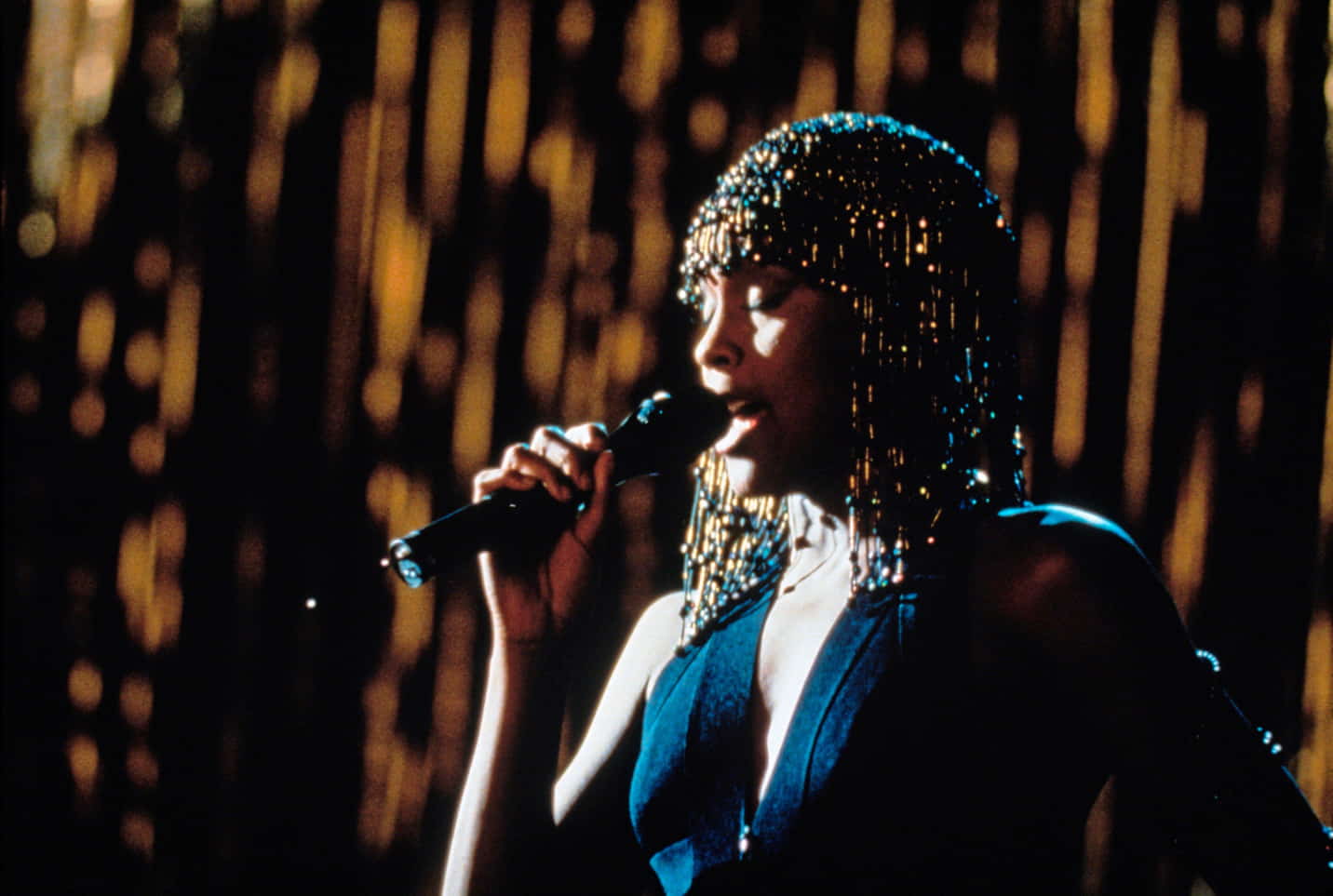
The Bodyguard, which premiered on November 25, 1992, remains one of the most iconic films of the 1990s, not only for its romance and suspense but also for Whitney Houston’s unforgettable performance. Directed by Mick Jackson, the film combined the glamour of celebrity, the tension of real danger, and the emotional power of music into a story that continues to resonate with audiences decades later.
The narrative follows Frank Farmer, played by Kevin Costner, a former Secret Service agent turned elite bodyguard. He is hired to protect Rachel Marron, portrayed by Whitney Houston, a pop diva at the height of her fame. Rachel’s life is far from safe, as she begins receiving threatening letters from an obsessed fan. Frank’s role goes beyond mere physical protection; he must navigate a world filled with demanding managers, relentless fans, complicated family dynamics, and the unpredictable chaos of the entertainment industry.
From the beginning, Frank and Rachel are at odds. She is a star accustomed to attention and personal freedom, while he is disciplined, rigid, and dedicated to the rules of his profession. Despite their professional friction, a slow and undeniable emotional connection develops. Their romance unfolds not in grand declarations but through subtle gestures, tense glances, and moments of shared vulnerability. The chemistry between them became one of the defining aspects of the film, making the story of their attraction feel authentic and enduring.
What elevated The Bodyguard beyond the typical romantic thriller was its music. Whitney Houston did more than act; she transformed the film into a global musical phenomenon. The soundtrack, anchored by her rendition of I Will Always Love You, became the best-selling film soundtrack in history. Houston’s voice captured both power and vulnerability, her performance turning every note into a part of the film’s identity. The song transcended the movie itself, embedding in popular culture and becoming synonymous with the emotional core of the story. Music and film merged seamlessly, creating a rare example of a movie that became a defining musical moment of its era.
Behind the scenes, the making of The Bodyguard was filled with memorable moments. Whitney Houston initially hesitated to record I Will Always Love You, considering a different ballad for the soundtrack. It was her insistence, supported by producer David Foster, that led to the creation of the definitive version of the song. Kevin Costner, meanwhile, had to master speedboat driving for one of the movie’s thrilling scenes, a task that led to several early mishaps but also brought humor to the set. On-screen chemistry was mirrored off-screen, with both stars developing mutual respect and sharing candid, playful moments that added a human touch to the production of a glamorous Hollywood film.
Upon its release, critics were mixed. Some dismissed the film as melodramatic and predictable, yet audiences responded passionately. The Bodyguard became a massive box-office hit, earning more than $400 million worldwide. Over time, it has transcended critical reception to become a cultural touchstone of the 1990s. It is now viewed as a romantic classic, representing a period when emotion, music, and glamour combined to create cinematic magic that was both entertaining and deeply moving.
Even thirty years after its release, The Bodyguard continues to captivate new generations. The story of a protective, disciplined man and a fearless, celebrated woman remains timeless, and Whitney Houston’s voice still evokes the same thrill and heartbreak as it did when audiences first heard it. The film is a reminder that the power of romance, suspense, and music can create something unforgettable, a true emblem of 90s Hollywood that resonates far beyond the screen.
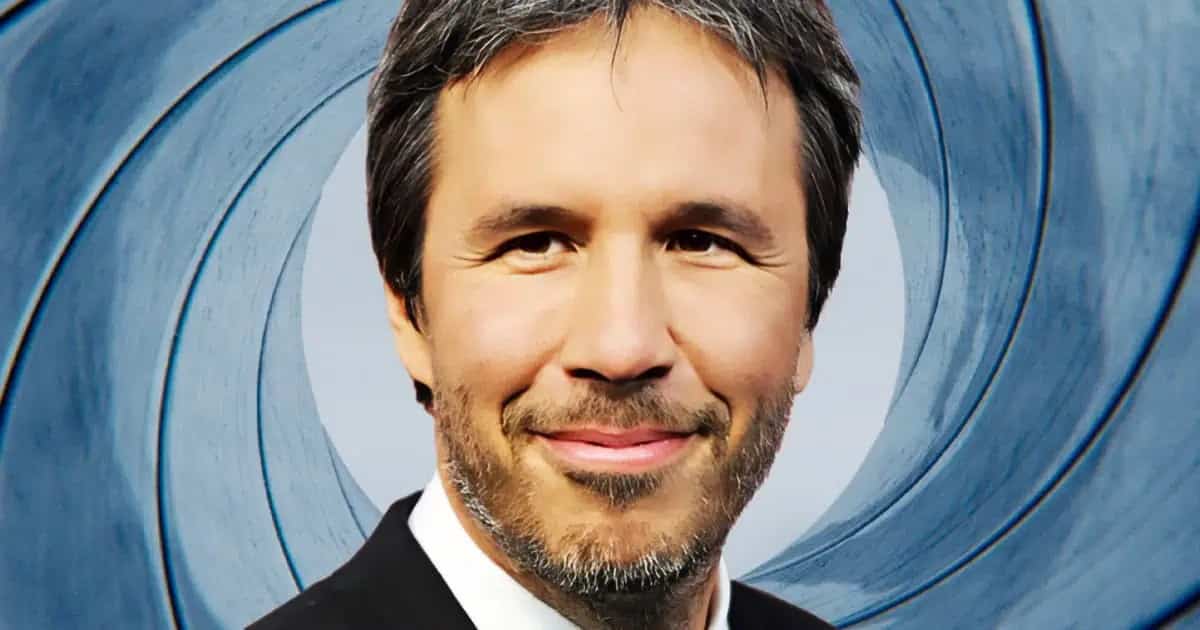
In a major announcement that has thrilled both cinema lovers and James Bond fans alike, Denis Villeneuve has officially been tapped to direct the next James Bond film, marking a bold new chapter for the legendary 007 franchise. The upcoming James Bond movie will be produced by Amazon MGM Studios, and the news was confirmed in a statement released on Wednesday.
Joining Villeneuve on the project is his artistic partner and wife, Tanya Lapointe, who will serve as an executive producer. Returning producers Amy Pascal and David Heyman will also help steer this high-stakes cinematic mission.
A Passion Project for Villeneuve
In a heartfelt statement, Denis Villeneuve shared his lifelong connection to the Bond franchise:
“Some of my earliest movie-going memories are connected to 007. I grew up watching James Bond films with my father, ever since Dr. No with Sean Connery. I’m a die-hard Bond fan. To me, he’s sacred territory. I intend to honor the tradition and open the path for many new missions to come. This is a massive responsibility, but also incredibly exciting for me and a huge honor.”
This marks a full-circle moment for the visionary director of Dune, Arrival, and Blade Runner 2049, who has long expressed interest in helming a James Bond movie.
Producers Excited About Villeneuve’s Vision
Producers Amy Pascal and David Heyman echoed that excitement:
“Denis Villeneuve has been in love with James Bond movies since he was a little boy. It was always his dream to make this movie, and now it’s ours, too. We are lucky to be in the hands of this extraordinary filmmaker.”
Mike Hopkins, head of Prime Video and Amazon MGM Studios, also commented on the studio’s confidence in Villeneuve’s talent:
“We are honored that Denis has agreed to direct James Bond’s next chapter. He is a cinematic master, whose filmography speaks for itself. From Blade Runner 2049 to Arrival to the Dune films, he has delivered compelling worlds, dynamic visuals, complex characters, and—most importantly—the immersive storytelling that global audiences yearn to experience in theaters. James Bond is in the hands of one of today’s greatest filmmakers, and we cannot wait to get started on 007’s next adventure.”
Bond 26: A New Era Begins
This next James Bond film, which will be the 26th installment in the iconic franchise, also marks the first 007 film produced under Amazon’s ownership following its $8.45 billion acquisition of MGM.
Although the production start date has not been confirmed, reports indicate that the search for a screenwriter is already underway. The chosen writer will work closely with Villeneuve to shape a fresh, exciting storyline for the world’s most famous secret agent.
Denis Villeneuve’s Busy Slate
Villeneuve is currently deep in preparation for Dune: Messiah, the follow-up to his critically acclaimed Dune: Part Two, which grossed over $700 million at the global box office and won multiple Academy Awards, including Best Sound and Best Visual Effects.
Despite his packed schedule, the opportunity to direct a new James Bond movie was one Villeneuve couldn’t pass up. He joins a prestigious list of directors who have taken on Bond, including Sam Mendes, Martin Campbell, and Cary Joji Fukunaga.
Other Directors Were Considered
According to The Hollywood Reporter, other notable directors who were in consideration to direct the next Bond film included Edward Berger (All Quiet on the Western Front), Edgar Wright (Baby Driver), and Paul King (Wonka). Ultimately, Villeneuve’s vision and lifelong passion for the franchise won out.
What to Expect From Denis Villeneuve’s James Bond
With Villeneuve at the helm, fans can expect a visually stunning, emotionally complex, and possibly more grounded take on the Bond universe. Known for his atmospheric storytelling and bold reinterpretations of classic genres, Villeneuve’s Bond could set a new tone for the franchise in the post-Daniel Craig era.
While the official release date, casting announcements, and plot details are still under wraps, one thing is certain: James Bond is returning in a big way, and Denis Villeneuve is ready to shake, not stir, things up.
You need a reliable way to store movies Follow these steps to keep your collection organized and accessible.
Choose the Right Storage Device for Storing Movies
Select storage based on your movie collection size and usage needs. External hard drives work well for most users. They provide large capacities at reasonable prices.
SSDs offer faster access speeds but cost more per gigabyte. Use them if you frequently transfer movies or need quick playback. Traditional HDDs give you more storage space for less money. They work best for archiving large collections.
Consider USB flash drives for small collections or frequent transfers. They’re portable but have limited capacity. Network-attached storage (NAS) systems allow multiple devices to access movies simultaneously. This works well for home theaters or shared spaces.
Match your storage device to how often you access your movies. For active collections, prioritize speed. For archives, focus on capacity. Always buy from reputable brands to ensure reliability. Check warranty periods before purchasing.
Remember that no single solution fits all needs. Many users combine different storage types for optimal results. For example, keep current favorites on an SSD while archiving older movies on HDDs. This balances performance and cost effectively.
Organize Your Movie Files for Easy Access
Create a logical folder structure first. Sort movies by genre, year, or alphabetically—choose what works best for you. Keep the system consistent across all devices.
Use clear, standardized file names. Follow this format: Movie Title (Year).extension (Example: Inception (2010).mp4). Avoid special characters or spaces—use underscores instead.
Separate different media types. Create distinct folders for movies, TV shows, and documentaries. For large collections, add subfolders by decade or franchise.
Maintain metadata properly. Media servers like Plex or Kodi use this information to display artwork and details automatically. Tools like FileBot can help rename files in bulk.
Back up your organizational system. Keep a text file with your naming conventions and folder structure. This helps when setting up new devices or sharing your collection.
Regularly clean and update your library. Remove duplicates, fix mislabeled files, and update metadata monthly. A well-organized collection saves hours of frustration later.
Cloud Storage for Storing Movies: A Secure Backup Solution
Cloud services offer an effective way to store movies safely. Platforms like Google Drive, Dropbox, and OneDrive protect your collection from device failures. These services keep files accessible from smartphones, tablets, or computers with internet access.
When storing movies in the cloud, first select a provider with sufficient storage space. Compare pricing plans as collections grow large. Organize cloud folders to match your local storage system for consistency. Enable automatic syncing to maintain updated backups without manual effort.
Upload speeds affect cloud storage efficiency. High-definition movie files require substantial bandwidth and time to transfer. Some services compress files during upload, which may impact quality. Check each provider’s policies before committing.
Security matters when storing movies online. Use strong passwords and two-factor authentication. Some cloud services offer encryption for added protection. Be aware of copyright restrictions when backing up purchased or downloaded content.
For optimal results, combine cloud storage with physical backups. Use external drives for primary storage and cloud services as secondary protection. This dual approach ensures access even without internet connectivity while guarding against data loss.
Free cloud plans work for small collections, but paid subscriptions become necessary for extensive libraries. Most providers offer monthly or annual payment options. Regularly review your storage needs and adjust plans accordingly.
Maintaining Proper File Formats for Storing Movies
Choosing the right file formats ensures your movie collection remains playable across devices. MP4 stands as the most universal format, compatible with nearly all modern devices and streaming platforms. MKV files preserve higher quality for home theater setups but may require conversion for some mobile devices.
When storing movies, avoid obscure or outdated formats that limit playback options. MOV and AVI files work on many systems but lack the efficiency of newer formats. Check your playback devices’ supported formats before committing to long-term storage. HEVC (H.265) offers superior compression for 4K content while maintaining quality.
Consistency matters when organizing movie files. Stick to one or two primary formats for your entire collection. This simplifies playback and reduces the need for constant file conversion. Use reliable media players like VLC that handle multiple formats if you must maintain different file types.
Quality preservation should guide your format selection. Lossless formats like FLAC for audio or uncompressed video maintain the highest fidelity but require significantly more storage space. Find the balance between quality and storage efficiency that fits your needs.
Regularly audit your stored movies for format compatibility. As technology evolves, some older formats may become obsolete. Convert problematic files to current standards before playback issues arise. This proactive approach keeps your entire collection accessible for years to come.
Physical Copies for Long-Term Movie Storage
Optical discs remain one of the most reliable methods for storing movies permanently. Blu-ray discs offer the best combination of capacity and durability, storing up to 100GB of data on quad-layer discs. Their scratch-resistant coating and stable plastic composition ensure longevity when handled properly.
When creating physical backups, use high-quality archival-grade discs from reputable manufacturers. Store them vertically in slim jewel cases to prevent warping, and keep them in a climate-controlled environment away from direct sunlight. Ideal storage conditions maintain temperatures between 41-68°F with 30-50% humidity.
For maximum data integrity, burn discs at slower speeds (4x-8x) to reduce errors. Create multiple copies of important movies and store them in separate locations as protection against disasters. Consider M-DISC technology for critical backups – these specialized discs use stone-like layers that manufacturers claim can last 1,000 years.
Maintain your physical collection by inspecting discs annually for oxidation or disc rot. Handle discs by the edges and clean them with microfiber cloths when needed. While physical storage requires more space than digital solutions, it provides permanent access without dependency on hardware compatibility or internet connectivity.
For valuable collections, combine physical storage with digital backups. This hybrid approach preserves movies across technological generations while maintaining immediate access through modern devices. Physical copies serve as your ultimate insurance against data loss in an increasingly digital world.
Regular Storage Maintenance for Movie Collections
Proactive maintenance ensures your stored movies remain accessible and secure. Schedule quarterly checks of all storage devices to identify potential failures before they occur. Test random movie files from each drive to verify playback quality and file integrity.
Replace aging hard drives every 3-5 years as mechanical components degrade over time. Monitor drives using SMART tools that predict failure rates through performance metrics. When upgrading storage, migrate data completely before retiring old devices to prevent partial data loss.
For cloud storage, review account status and payment methods biannually to avoid unexpected service interruptions. Verify that automatic sync functions properly and that all critical files have successfully uploaded. Clean up duplicate files and temporary backups that consume unnecessary space.
Maintain an inventory log tracking storage locations for all movies. This master list should include device types, purchase dates, and last verification dates. Update it immediately when adding new content or retiring old storage solutions.
Implement the 3-2-1 backup rule for important collections: keep three copies on two different media types with one offsite. Rotate backup drives periodically, keeping one disconnected to protect against ransomware or electrical damage. This disciplined approach prevents catastrophic data loss while storing movies long-term.
Final Thoughts on Storing Movies Effectively
A smart movie storage strategy combines multiple methods for maximum protection and accessibility. Use external drives for primary storage while maintaining cloud backups for offsite security. Keep physical copies of your most valued films as a permanent archive.
Organization remains just as important as storage technology. Consistent file naming and folder structures save time when accessing your collection. Regular maintenance prevents unexpected data loss and keeps your library current.
The best system balances capacity, cost, and convenience to match your specific needs. Whether you’re preserving home videos or building a media library, proper storage ensures your movies stay watchable for years to come. Start implementing these practices today to safeguard your collection.
Remember that no single solution works forever. As technology evolves, periodically reassess and update your storage methods to maintain optimal performance and reliability for your movie collection.
We’ve all been there: sitting in a dark theater, popcorn in hand, secretly rooting for the villain to win. Whether it’s Thanos snapping his fingers to “save” the universe or the Joker dancing down Gotham’s stairs, modern villains have a way of crawling into our hearts—even as they wreak havoc on screen. But why? Why do we cheer for characters who, by all moral standards, should repulse us?
The answer lies in a seismic shift in storytelling. Gone are the days of one-dimensional villains twirling mustaches and cackling about world domination. Today’s antagonists are complex, relatable, and often right—or at least, they think they are. Let’s unpack why we’re drawn to the dark side.
From Evil Caricatures to Humanized Antiheroes
Classic villains like The Wizard of Oz’s Wicked Witch or Star Wars’ Emperor Palpatine were easy to hate. They existed purely to oppose the hero, with no depth beyond their malice. But as audiences grew savvier, so did writers.
Modern villains aren’t born evil—they’re forged by systemic failure, trauma, or injustice. Take Arthur Fleck from Joker, whose descent into madness is fueled by mental health neglect and societal cruelty. Or Erik Killmonger in Black Panther, whose rage against Wakanda’s isolationism forces viewers to confront real-world issues like colonialism and racism. Even Thanos, the “mad titan” of Avengers: Infinity War, isn’t purely evil; his warped logic about balancing the universe sparks debates about utilitarianism.
As director James Gunn once said: “The best villains don’t see themselves as villains. They see themselves as heroes.”
The Psychology of Relatability: Why We Empathize
Humans are wired to seek understanding, even in darkness. Psychologists call this “the paradox of fictional empathy”—we bond with flawed characters because their struggles mirror our own.
A villain’s traumatic backstory taps into universal emotions. Loki’s abandonment in Thor mirrors feelings of loneliness and betrayal, while the Joker’s chaos in The Dark Knight reflects societal anxieties about control and freedom. These characters blur moral lines, making us question, “What would I do in their shoes?”
Audiences don’t just want to watch a story—they want to debate it. As psychologist Dr. Robin Rosenberg notes: “A good villain holds up a mirror. They force us to confront uncomfortable truths about ourselves.”
Villains as Mirrors of Society
Modern antagonists don’t just challenge heroes—they critique the world we live in. Killmonger’s demand for Wakanda to fight global oppression resonates in an age of activism and reckoning with systemic racism. Amy Dunne in Gone Girl subverts the “hysterical woman” trope, using calculated revenge to expose societal misogyny and media sensationalism. Arthur Fleck’s tragic arc in Joker critiques how society discards the vulnerable, from mental health neglect to class inequality.
These characters aren’t just “evil.” They’re symptoms of bigger issues—and that terrifies (and fascinates) us.
When the Villain Steals the Show: The Antihero Era
The line between villain and hero is vanishing. Shows like Breaking Bad and movies like Nightcrawler star protagonists who are, frankly, terrible people—yet we can’t look away.
Antiheroes thrive because they control their narratives. Characters like Homelander in The Boys or Logan Roy in Succession defy rules in ways that feel thrillingly transgressive. Meanwhile, redemption arcs—like Loki’s evolution from villain to antihero—hook us by revealing vulnerability. We root for their growth, not their crimes.
Pop Culture’s Obsession: Memes, Theories, and Fan Wars
Complex villains fuel fandoms long after credits roll. Viral “Thanos Was Right” memes and TikTok essays defending Gone Girl’s Amy prove these characters spark discourse because they’re debate-worthy, not disposable.
Take Joaquin Phoenix’s Joker. The film grossed $1 billion not just for the chaos, but for the conversation. Was Arthur Fleck a villain or a victim? The ambiguity invited global debates about mental health, inequality, and societal failure—proving villains can shape culture far beyond the screen.
Conclusion: The New Age of Villainy
The rise of sympathetic villains reflects a deeper truth: audiences crave stories that challenge, not coddle. We want moral complexity, not fairy tales. As Joker: Folie à Deux looms, one thing is clear—the era of black-and-white morality is over.
So, why do we root for the bad guy? Because they’re no longer just “bad.” They’re broken, bold, and breathtakingly human. And in a messy world, maybe we see ourselves in their chaos.
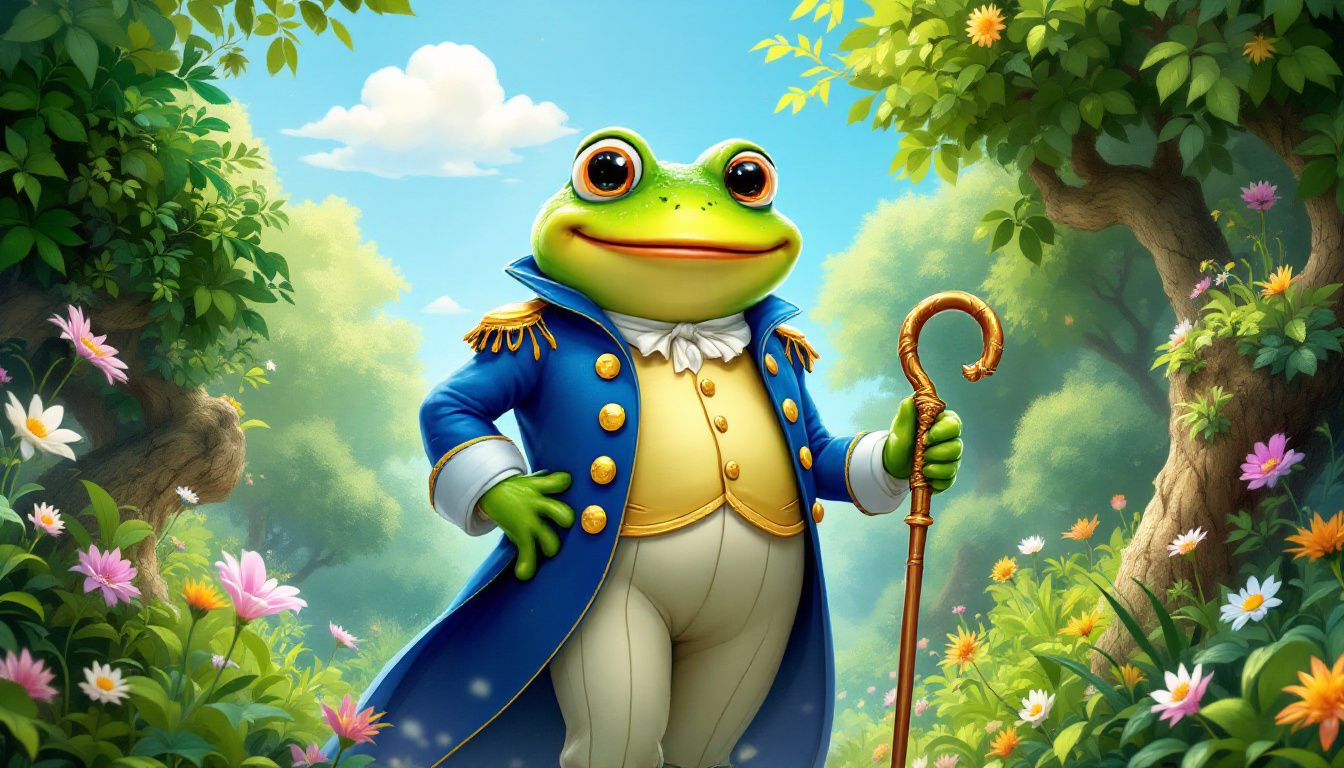
The story of the princess and the frog prince is a timeless tale of transformation and redemption. At its core, it tells of a princess who befriends a frog and learns that he is a prince under a spell, originally part of Grimm’s Fairy Tales. This article delves into the story’s origins, its evolution, and modern interpretations, including Disney’s take on the classic. Expect to explore characters, themes, and the cultural impact of this enchanting narrative.
The Princess and the Frog Prince Key Takeaways
The Princess and the Frog Prince story has a rich history, tracing back to oral traditions and early European folklore, showcasing its timeless appeal across generations.
A key plot element in the original fairy tale is the golden ball, which the young princess loses in a well, prompting a frog to offer to retrieve it in exchange for her companionship.
Disney’s ‘The Princess and the Frog’ introduces Tiana, the first African American princess, highlighting themes of ambition, perseverance, and cultural representation.
The film’s unique blend of traditional hand-drawn animation and a vibrant musical score by Randy Newman enhances its emotional depth and cultural authenticity.
The Origins of The Princess and the Frog Prince Story
The narrative of The Princess and the Frog Prince, also recognized as ‘Der Froschkönig,’ holds a distinguished place among the earliest works in the 1812 compendium of fairy tales by the Brothers Grimm. This captivating tale has its foundations in European lore and was initially transcribed during the 16th and 17th centuries, bewitching readers with its magical plotline. The story recounts how a princess forms an unwilling friendship with a frog, only to find out he is actually an enchanted prince—a theme reminiscent of tales involving a frog king—which continues to captivate audiences.
This enduring fable likely finds its origins within ancient oral storytelling traditions, notably those associated with Dortchen Wild’s kin from Kassel who imparted numerous narratives for inclusion in Grimm’s anthology. These stories were steeped in fantasy featuring mystical beings and love that could alter one’s very being. Some academics have even posited connections back to Roman texts such as those by Petronius, which underscores this story’s profound historical importance.
A notable character in the tale is Iron Henry, the loyal servant of the Frog Prince. Henry, deeply saddened by his master’s curse, binds three iron bands around his heart to prevent it from breaking from sorrow. When the prince is transformed back into a human, these bands break due to Henry’s overwhelming happiness, symbolizing the release of grief and the joy of reunion. This aspect of the story emphasizes themes of loyalty and sacrifice, illustrating how Henry’s heart is eventually freed when the prince turns back into a human.
An examination into this storied folk tale illustrates how it has kept hold of widespread charm over countless years, impacting various age groups equally. Its malleability lends itself well to different takes on classic themes ensuring that the journey through time of The Princess and the Frog Prince will continue alongside other eternal favorites enabling fresh interpretations while remaining true to their enchanting essence across cultures and eras.
The Princess and the Frog Prince The Evolution of the Fairy Tale
The Princess and the Frog Prince narrative, with its myriad iterations throughout Europe, demonstrates the tale’s broad charm and capacity for modification over time. Each rendition has infused the story with distinctive cultural elements and social subtleties that have kept it relevant to an array of listeners. This malleability is a defining feature of timeless fairy tales, as they mirror shifting ideals and mores within societies that hold them dear.
Its lasting resonance can be credited to the way in which it embraces variation across different cultures and social structures while retaining universal allure. Themes such as metamorphosis and absolution within The Frog Prince speak deeply to our collective human journey, imbuing this enduring fable with significance beyond eras or geographies. The wicked witch who cursed the prince, transforming him into a frog, adds a layer of complexity to the narrative, highlighting the theme of transformation and the impact of the curse. As the saga travelled through various locales, it assimilated particular local customs and beliefs thereby enhancing its storied complexity.
Recent renditions like Disney’s “The Princess & The Frog” spotlight enhanced character arcs along with themes centering on autonomy and determination, underscoring how these retellings are capable of evolving yet still retain their fundamental heart. Moving into a conversation about Disney’s iteration illustrates just how the princess-and-frog-centered tale has been refashioned to correspond with contemporary values while embracing cultural plurality.
Disney’s “The Princess and the Frog” offers a modern twist to the classic tale of The Princess and the Frog Prince. In this animated film set amidst New Orleans’ vibrant Roaring Twenties, we follow Tiana, an ambitious waitress with dreams of owning her own restaurant. Her quest is upended when she encounters a prince who has been turned into a frog and attempts to restore his human form through a kiss from a princess—only for them both to encounter unexpected hurdles.
With its New Orleans locale, the story revels in the city’s distinctive mix of music, cuisine, and customs. The era provides an exuberant backdrop that highlights themes related to ambition and resilience during an epoch noted for economic boom and cultural renaissance.
Tiana stands out as Disney’s inaugural African-American princess—a character distinguished by her smarts, drive, and diligent spirit. Her compelling arc exemplifies not just finding romantic love, but also achieving self-realization and challenging societal norms along her path.
Introducing Complexity is Dr. Facilier or Shadow Man—the sinister voodoo sorcerer whose machinations inject tension into Tiana’s adventure alongside Prince Naveen. Through encountering their adversaries’ schemes head-on—and examining how these characters evolve—we witness layered storytelling imbued with gravity throughout their journey.
Character Analysis: Tiana and the Frog Prince
The central figure in “The Princess and the Frog” is Tiana, a character noted for her remarkable intelligence, drive, and consistent hard work. She is propelled by an aspiration to one day open a restaurant of her own—a goal that she pursues with tenacity throughout the movie. The narrative paints Tiana as an emblem of inspiration due to her steadfastness and unwavering commitment even when faced with adversity.
Tiana exhibits valiant qualities during her adventure—she not only saves Prince Naveen, but also bravely faces numerous perils within the bayou’s depths. Her courage and ingenuity shine through as she deals head-on with various challenges encountered along the way. The development of Tiana’s character serves as evidence of robust willpower amidst trying circumstances.
As time passes within this tale, we witness how Tania evolves from being solely focused on work to understanding life’s other precious aspects like love and companionship—an evolution sparked by meeting the charming prince Naveen. After the princess throws him against the wall in a fit of anger, the frog transforms into a handsome prince, revealing his true identity and his gratitude towards the princess for breaking the curse placed on him. This shift emphasizes what constitutes true achievement in life according to the story: it isn’t just about realizing personal ambitions. It also involves embracing interpersonal bonds.
In reaching for her aspirations, it becomes clear how pivotal friends’ encouragement coupled with family support are for achieving success—a recurring theme underscoring every step towards accomplishing dreams in life’s journey.
Critics have drawn attention to complex themes surrounding race embedded within Disney’s portrayal of Tania considering its historical backdrop which gives substance into why she stands out among Disney princess characters over time.
“Disney’s ‘The Princess and the Frog’ represents a significant shift back to classic hand-drawn animation after an era largely defined by computer-generated imagery. The film exudes an old-world charm that harkens back to the time-honored animated tales of Disney’s earlier years, as each meticulously crafted frame imparts a sense of enduring artistry.
In order to make frog characters more engaging, their designs were simplified for greater charisma and expressiveness. This simplification allows viewers to forge a stronger emotional bond with them due to their increased relatability. For animating these charming characters, the production team employed Toon Boom Harmony software in conjunction with conventional pencil-and-paper methods.
For background vistas and special effects, digital painting was utilized alongside Adobe Photoshop while three-dimensional modeling aided in rendering intricate architectural features accurately. Such synthesis between age-old techniques and modern technology yields spectacular visuals which capture New Orleans’ dynamic spirit perfectly. Every detail contributes significantly towards creating an environment that is both captivating and magical.
With its commitment through ‘The Princess and the Frog,’ Disney underscores traditional animation’s timeless allure, delivering masterfully drawn landscapes complementing rich storytelling traditions emblematic of its legacy—setting new standards for what is possible within future endeavors into animated cinema.
Randy Newman’s Musical Score
Randy Newman expertly crafted, orchestrated, and directed the majority of “The Princess and the Frog’s” soundtrack. To encapsulate New Orleans’ rich cultural atmosphere, he utilized a fusion of musical styles such as jazz, zydeco, and gospel. This eclectic mix plays a key role in bestowing the film with its distinctive appeal and genuine representation of local culture. The music composed by Newman deeply resonates with viewers through its integration into the story.
Songs that embody both the emotional narrative arc of “The Princess and the Frog” and echo its characters’ hopes have been woven into this musical composition by Newman. His contributions received high praise in the form of an Oscar nomination for Best Original Song—a testimony to their deep-rooted impact on listeners. Noteworthy among his compositions are original songs like ‘Almost There’ and ‘Down in New Orleans’, which also earned nominations at Academy Awards.
Through Randy Newman’s auditory artistry imbued within “The Princess and The Frog,” each scene is intensified—offering additional layers that complement visual storytelling while embedding itself firmly within it—which turns watching it into an enduring encounter for audiences.
The Princess and the Frog Prince Themes and Messages
The Princess and the Frog Prince delves into a number of deep-seated themes that strike a chord with viewers. It underscores the idea that love’s transformative nature can be instrumental in one’s evolution and moral redemption. The theme of the princess kissing the frog, as seen in modern adaptations, highlights the transformative power of love and contrasts with the original narrative, emphasizing deeper moral lessons about free will and defiance against societal expectations. It conveys how genuine love often comes intertwined with sacrifice and comprehension.
Within this film, perseverance and hard work serve as pivotal motifs, demonstrated through Tiana’s unwavering quest to realize her ambitions. Her path emphasizes the necessity for adaptability when confronting obstacles while also finding equilibrium between striving for personal goals and lending support to others. By juxtaposing Tiana’s industrious spirit against her friend Lottie’s more leisurely attitude, the movie brings into relief societal issues such as class inequality alongside nuances of what constitutes success in America.
Moreover, “The Princess and the Frog” sheds light on racial prejudice and gender stereotypes by portraying Tiana’s endeavors against a backdrop fraught with societal expectations. These thematic elements contribute layers to its story arc. Hence establishing the film not just as an entertaining narrative, but also an insightful cultural artifact which prompts reflection about broader social concepts.
Comparisons with Other Disney Films
The Disney adaptation of “The Princess and the Frog” is distinctive due to its special backdrop and a cast that’s quite memorable. It reinterprets the classic frog prince narrative with a focus on personal growth, echoing themes found in “The Little Mermaid,” where both stories explore transformations led by love, encompassing valuable lessons about life. In fairy tales, frogs often symbolize transformation and the challenge of adhering to promises, as seen in the interactions between The Princess and the Frog Prince in “The Frog Prince.”
“The Princess and the Frog,” set against New Orleans’ vibrant charm, diverges from “The Little Mermaid”’s captivating sea realm. The world within which these tales unfold not only shapes their aesthetic but also sculpts distinct challenges for their respective characters—thereby enriching each story’s adventure component.
Both films showcase villains wielding supernatural forces as they contend with the main characters—the ominous voodoo magic of Dr. Facilier standing in contrast to Ursula’s wicked witchcraft. These nefarious figures enhance the sense of danger within their narratives, elevating the satisfaction experienced when our heroes eventually triumph over adversity.
The Impact of The Princess and the Frog Prince
“Disney’s animated film ‘The Princess and the Frog’ is celebrated for introducing Tiana, the studio’s first African American princess. The movie has made a profound contribution to diversifying animated films and continues to inspire young audiences with its positive representation. Set in New Orleans during the 1920s within a vibrant black community, it enriches its story by immersing viewers in an authentic celebration of cultural history.
In wake of the film’s debut, there has been heightened recognition of how essential it is to elevate women and individuals from diverse backgrounds in cinema. Princess Tiana emerged as more than just a character. She sparked dialogues about inclusivity while becoming a mainstay symbol across Disney merchandise and theme park attractions due to her popularity. The original tale, where the princess allows the frog to eat from her golden plate as part of a promise, highlights her struggle with obligations and themes of loyalty and transformation.
The Princess and the Frog Prince doesn’t only celebrate diversity, but engages deeply with themes that resonate on personal levels – like Tiana having been raised without her father yet guided by her mother – crafting narratives that audience members find personable. Randy Newman captures this essence through his lively expression of New Orleans’ musical landscape which echoes throughout various cultures adding depth to this unique animation experience.
This Disney motion picture commands attention not simply as entertainment, but also as an influential force propelling discussions around incorporating greater authenticity into animation storytelling techniques. Its impact encourages other studios aiming for genuine representation within their own works.”
The Princess and the Frog Prince Summary
To summarize, “The Princess and the Frog” is an ageless fairy tale that has matured from its roots in European myth into a cherished Disney film. The narrative of the princess and the frog prince, frequently revolving around transformation and enchantment, transcends cultural boundaries while integrating contemporary ideas about autonomy, romance, and self-sufficiency. A key moment in the story is when the frog hopped towards the princess, marking the beginning of their transformative journey. In this rendition by Disney located amidst New Orleans’ lively ambiance, Tiana is an embodiment of ambition who captivates viewers with her resolve.
This cinematic piece stands out for reviving classic hand-drawn animation techniques alongside Randy Newman’s memorable soundtrack which underscores its thematic depth— Establishing its significance. “The Princess and the Frog” doesn’t just serve as entertainment. It sparks important dialogues concerning inclusivity within animated features. Acknowledging this magical story’s role is crucial to appreciating how it carves new paths for narrating tales onscreen through characters like Tiana.
Frequently Asked Questions
What is the origin of The Princess and the Frog Prince story?
Originating from European folklore, the story of the Princess and the Frog Prince was first committed to writing in the 16th and 17th centuries.
It was solidified as a historical fairy tale when The Brothers Grimm included it in their collection of stories in 1812.
How does Tiana’s character evolve throughout “The Princess and the Frog”?
Tiana grows from being a driven workaholic to someone who understands the importance of love and friendship in her life.
This evolution highlights the balance between ambition and personal relationships.
What makes Disney’s “The Princess and the Frog” unique in terms of animation?
Disney’s “The Princess and the Frog” stands out because it marked the studio’s return to traditional hand-drawn animation, refreshing that classic style after years of CGI dominance.
It really brings a beautiful, nostalgic touch to the film!
What themes are explored in “The Princess and the Frog”?
The Princess and the Frog Prince dives into themes of love, hard work, and determination, while also addressing social stratification and the need to balance personal ambitions with the well-being of others.
It’s a beautiful reminder that true success involves both personal growth and supporting those we care about.
The Bourne Identity, written by Robert Ludlum and adapted into a film starring Matt Damon, follows Jason Bourne, a man with amnesia fighting to discover his identity and survive his pursuers. Universal Pictures was responsible for the theatrical release of ‘The Bourne Identity.’ In this article, we explore the book’s origins, the film’s adaptation, and the series’ cultural impact.
Introduction to the Bourne Series
The Bourne series is a critically acclaimed action-thriller franchise that has captivated audiences worldwide with its fast-paced action sequences, unexpected twists, and well-developed characters. Based on Robert Ludlum’s spy novels, the series follows the story of Jason Bourne, a secret agent suffering from amnesia, as he navigates a complex web of espionage and conspiracy. With a total of five films, including “The Bourne Identity,” “The Bourne Supremacy,” “The Bourne Ultimatum,” “The Bourne Legacy,” and “Jason Bourne,” the series has grossed millions of dollars worldwide and has been widely acclaimed by critics and audiences alike.
Each installment builds on the previous one, expanding the intricate world of espionage and deepening the character of Jason Bourne. The series’ success can be attributed to its compelling storytelling, intense action sequences, and the relatable journey of its protagonist. From the opening scene of “The Bourne Identity” to the climactic moments of “The Bourne Ultimatum,” the franchise has set a high standard for action thrillers, making it a must-watch for fans of the genre.
Key Takeaways
Robert Ludlum’s personal experience with amnesia deeply influenced the creation of Jason Bourne, lending authenticity to the character’s quest for identity.
The film adaptation streamlines the novel’s complex themes, focusing on action and visual storytelling, which broadens its appeal but sacrifices some depth.
Matt Damon’s portrayal of Bourne balances physicality and emotional complexity, setting him apart from traditional action heroes and contributing to the character’s lasting impact.
The Origins of Jason Bourne
Inspired by his own temporary loss of memory, Robert Ludlum gave life to Jason Bourne—a character whose harrowing journey to reclaim his identity mirrors the confusion and challenges that accompany amnesia. This brush with forgetfulness provided a genuine underpinning for Ludlum’s narrative, infusing it with realism and depth that deeply resonated in Bourne’s portrayal.
In “The Bourne Identity,” readers encounter Jason Bourne amidst the waves of the sea, found bearing gunshot wounds and bereft of any memories—an opening scene reminiscent of Ludlum’s personal ordeal. This immediate dive into intrigue lays down the groundwork for a gripping story as we bear witness to an individual struggling against oblivion on their path toward self-realization. The vivid image where he is fished out from water marks not only his rebirth but also symbolizes a baptismal start to navigating through veiled history.
With its compelling mix of nail-biting action sequences interwoven with insightful psychological dilemmas, Ludlum swiftly captivated audiences making “The Bourne Identity” distinguishable among contemporaneous thrillers—and securing instant acclaim. As both writer and creator, he managed to carve out a niche within the genre by presenting Jason—with all his complexity—as an unforgettable force fueling every turn in this riveting tale.
Ludlum proved adept at spinning tales that appealed equally across spectrums—balancing intellectual enticement with sheer entertainment value—and ensnared readers around the globe following along intently as each layer unfolded in Jason’s intense expedition toward truth amid survival. Such was its appeal. It laid solid groundwork which eventually led “Bourne” beyond literature pages onto cinematic stages thereby amplifying its reach exponentially.
Transition from Novel to Film
The transition of “The Bourne Identity” from its literary roots to the cinematic screen necessitated considerable alterations, accounting for the unique narrative requirements inherent to each format. While Ludlum’s novel indulges in an intricate examination of Jason Bourne’s perplexing identity conundrum, Doug Liman’s film adaptation opts for a direct approach that emphasizes swift-moving action and striking visual narratives. This redirection was imperative to sustain the adrenaline-pumping suspense desired by moviegoers, even if it meant streamlining some of the elaborate subplots present in Ludlum’s original work.
In 1988, a miniseries adaptation of ‘The Bourne Identity’ starring Richard Chamberlain and Jaclyn Smith was released. This version remained more faithful to the book compared to the 2002 film. Although the special effects of the miniseries are dated, the storytelling aspects are superior, with Smith’s role being significant to its success.
Differences are particularly apparent when comparing how both mediums explore Jason Bourne’s crisis of self-awareness. The novel offers a rich tapestry depicting his fractured psyche through introspective analyses and numerous false identification papers hinting at his varied aliases. Conversely, the motion picture presents this quest with energetic combat scenes and succinct reflective instances—a treatment designed to resonate more broadly with audiences despite possibly disappointing certain readers who appreciated Ludlum’s nuanced character study.
In catering predominantly towards fans of action thrillers rather than spy fiction aficionados, pivotal changes were made. Where counterintelligence maneuvers underscored by intellectual spycraft punctuate much of Ludlum’s story, Liman’s rendition privileges bone-crushing brawls and high-speed pursuits over these subtler elements, not least because they translate into exhilarating cinema experiences. For instance, while bourne is described as gravely injured after multiple shots wound him within pages across bibliophilic spreads—thereby inhibiting agility—the on-screen avatar suffers only two gunshot wounds expediting recuperation time thus facilitating immediate engagement in breathless escapades.
Bourne’s existential odyssey follows divergent paths between page-turner literature and celluloid spectacle too: while discernibly tactical delineations characterize Borges’ step-by-step recollections leading incrementally toward his past illumination throughout chapters endemic upon novels—its film counterpart leans into emotional profundity inferring thematic depth underpinning philosophical ruminations regarding being itself along Bourjes’ reclamation journey correlating neatly against other prevalent overarching storytelling modalities accentuated amid intense skirmishes interspersed contemplative lulls alike yet invariably different nonetheless .
Nonetheless essential components which rendered “Ludlem’’s writing so gripping remain intact amidst Hollywood treatments such as Bournès retrieval among undulating waves serving as an arresting commencement alluding instantaneously mystery permeated urgency encapsulated heraldińg foregone conclusion megahit status spanning continued sequels supplemental entities aside evident given cinematically aligned promos entailing promises exhilarant ventures affirmatively realized subsequent full-feature runtime viewer experience installments
Whereas distinctive avenues undertaken ‘pon either narration version dispersion denotes unmistakable continuity heartening fundamentally viewed respective interpretations similar theme framework predisposed ultimately resulting captivating retellings man‘s relentless pursuit reclaimed personal truth embarkment.
Directed by Doug Liman
Doug Liman, the director of “The Bourne Identity,” brought a unique vision to the film that set it apart from other action-thrillers. With a background in independent filmmaking, Liman infused the movie with a sense of realism and grit that resonated with both critics and audiences. His direction was instrumental in establishing the tone and style of the Bourne series, which has since become a benchmark for action-thrillers.
Liman’s collaboration with Matt Damon, who played the lead role of Jason Bourne, was also crucial in bringing the character to life. Liman’s approach to directing emphasized authenticity and emotional depth, allowing Damon to portray Bourne as a multi-dimensional and relatable protagonist. This partnership was key to the film’s success, as it combined Liman’s vision with Damon’s dedication to the role, resulting in a compelling and memorable portrayal of Jason Bourne.
Matt Damon as Jason Bourne
Matt Damon’s interpretation of Jason Bourne has been pivotal to the movie franchise’s triumph. From “The Bourne Identity” onward, we’ve seen Damon not only grow as an actor, but also expand and deepen the layers of the bourne character throughout each film. His commanding presence combined with unwavering commitment distinguishes Bourne as a unique and compelling protagonist within the action genre.
Undertaking rigorous physical preparation, Damon enabled himself to execute many stunts and fight scenes in-house. This dedication imbues his portrayal of Jason Bourne with authenticity—strikingly different from James Bond’s reliance on gadgets. It is rather through instinctual intelligence and sheer athletic skill that Jason overcomes challenges thrown at him, fostering a more realistic connection between audience and hero.
In recent films critics have observed a nuanced shift in how Damon channels Jason Bourne, noting that while his latest appearance was met with acclaim there appeared to be less emotional richness compared to previous portrayals. The iconic ‘Bourne walk’ now embodies someone who operates almost mechanically—the transformation implying somewhat diminished relatability for viewers despite still delivering an engaging performance.
Nevertheless, Matt Damon ensures that Bouorne stands apart from characters like james bond. Where vulnerability intertwines seamlessly with resilience against adversities faced by jason Bournme. These defining traits reinforce why “The Bbourne IIdentity” resonates distinctly—Damon presents us not just another invulnerable spy, but one whose authentic flaws invite audiences into suspenseful action sequences and reflective moments alike within their beloved film series.
Key Themes in “The Bourne Identity”
The Bourne Identity” delves into a variety of significant themes that have a strong impact on its viewers. At the heart of the narrative is the concept of identity, as Jason Bourne contends with amnesia and embarks on an intense quest to ascertain his authentic essence. His odyssey unfolds through encounters with assorted clues and various forms of identification, each piece reflecting another shard in his shattered persona. The universal theme of self-discovery makes Bourne’s internal conflict resonate widely.
Themes such as survival and redemption are equally pronounced within this film. Not only is it vital for Bourne to reclaim memories he has lost, but he must also navigate being continuously hunted by those intent on seeing him dead. He strives for redemption throughout this process, endeavoring to make amends for deeds committed during a past shrouded by oblivion—a feature which deepens our engagement with his character’s narrative arc.
Furthermore, “The Bourne Identity,” released in 2002 amidst growing distrust towards the US government post-9/11 attacks, captures political sentiments pertaining to surveillance tactics used against citizens along with concerns over civil rights infringements and excessive governmental power abuses—issues intensifying viewer connection due to their concurrent societal relevance at that time.
Lastly stands out Jason Bournes’ psychological depth when contrasted against figures like James Bond. While Bond typically exhibits uncomplicated charisma, it’s Bourne’s poignant vulnerabilities coupled with emotional upheavals rendering him more compellingly human-like thus solidifying his lasting intrigue among audiences much beyond just an action hero archetype—an intricate trait centralizing “The Bourne Identity”‘s enduring allure.
Iconic Scenes and Action Sequences
“The Bourne Identity” has earned critical acclaim for its riveting action sequences and memorable scenes that blend excitement with authenticity. The film’s initial chase scene within the U.S. embassy is a quintessential demonstration of this balance, where Jason Bourne’s quick wit and agility allow him to slip through the hands of his pursuers. His resourcefulness not only excites viewers, but also lays down the groundwork for what’s to come in terms of plot development and character exploration, while providing an adrenaline-fueled start.
In particular, one key sequence involving a brawl between Jason Bourne and Castel stands out due to its rawness compared to other action thrillers’ often ornate fight choreography. This altercation showcases brutal hand-to-hand combat executed with precision, mirroring real-world tactics aligned with Bourne’s specialized training background. Rather than relying on flashiness, these authentic skirmishes pull audiences into the fray alongside Jason.
As such, “The Bourne Identity” distinguishes itself within its genre by delivering high-speed yet plausible encounters that abstain from excessive flamboyance typical in espionage cinema narratives—opting instead for substance over spectacle. Its realistic portrayal of confrontation underscores prowess without sacrificing believability—a hallmark that carves its unique niche among action thriller films—and it resonates deeply as both a gripping storytelling mechanism and a testament to skillful execution in filmmaking.
Supporting Characters and Performances
In “The Bourne Identity,” the secondary characters play essential roles in enhancing the plot and deepening its intricacies. Franka Potente’s portrayal of Marie is one such example, acting as Jason Bourne’s confidant and stabilizing force during his turbulent search for self-understanding. Her contribution brings a layer of humanity to the action thriller, making Jason’s quest resonate more profoundly with audiences.
Conklin emerges as a pivotal character who amplifies much of the film’s suspense and tension. As an unforgiving CIA agent determined to track down Jason Bourne, Conklin embodies a persistent threat that lends an atmosphere of peril and momentum throughout the narrative. His pursuit reflects not just aggression, but also illuminates intricate aspects associated with intelligence organizations.
Another significant figure within this universe is Abbott—played by Brian Cox—a high-ranking figure within the CIA whose perspective casts light on internal conflicts pertaining to their conduct. His presence injects realism into the movie by showcasing challenging ethical considerations faced by those at command levels.
Each interaction between these vital characters and Jason intensifies “The Bourne Identity,” weaving together challenges and relationships which raise both stakes and engagement for viewership investment in what unfolds. Their unique drives mesh into creating a rich backdrop against which all elements align to affirm this feature as an enthralling blend of intensity laced with drama characteristic of premier thrillers in cinema.
Box Office Success
“The Bourne Identity” was a major box office success, grossing over $214 million worldwide on a budget of $60 million. The film’s success can be attributed to its well-crafted storyline, memorable characters, and fast-paced action sequences, which appealed to a wide range of audiences. The film’s success also spawned a successful franchise, with each subsequent film performing well at the box office.
For instance, “The Bourne Supremacy” continued the momentum, grossing over $290 million worldwide, while “The Bourne Ultimatum” reached new heights with over $442 million in global earnings. Even the later installment, “Jason Bourne,” managed to pull in over $415 million worldwide, proving the enduring appeal of the series. These impressive figures underscore the franchise’s ability to captivate audiences and maintain its popularity over the years.
Paul Greengrass and the Bourne Series
Paul Greengrass has notably influenced the Bourne series with his unique directorial approach. His use of ‘shaky cam’ injects a sense of immediacy and tension into the action sequences, resulting in an experience that is both intense and engaging for audiences, despite some criticism. This technique ensures viewers remain riveted to their screens.
The editing techniques employed by Greengrass are also emblematic of the Bourne films. By rapidly cutting from one shot to another, he simulates the frenetic pace at which we receive information today, echoing our contemporary digital reality. This strategy not only reinforces the film’s authentic feel but conditions audiences to process visual data swiftly—becoming synonymous with how stories unfold in this franchise.
Under Greengrass’s guidance, there has been notable growth within the Bourne saga. The storyline evolves continuously throughout each installment as Jason Bourne’s complexity unfolds further—maintaining freshness across films while holding onto existing enthusiasts and drawing new ones alike. Merging thrilling action seamlessly with rich narrative development has proved essential in propelling the success of these movies.
His visionary work extends beyond just directing. It shapes how modern thrillers approach filmmaking itself. Through pioneering methods like those seen in his depiction of Jason Bourne’s world, Paul Greengrass sets precedents reflected across other dynamic movie franchises as well—thereby solidifying his influential status among filmmakers within this genre.
In summary, Paul Greengrass’ distinctive style forms much of what defines both identity and acclaim for this renowned series—a key element for why fans have become deeply invested in its offerings over time—and leaves an indelible mark on action thriller cinema through innovative storytelling that engages audiences worldwide.
Jason Bourne’s Character Development
Jason Bourne, played by Matt Damon, is a complex and multi-dimensional character who undergoes significant development throughout the series. Initially, Bourne is portrayed as a man suffering from amnesia, struggling to regain his memory and uncover his true identity. As the series progresses, Bourne’s character evolves, and he becomes a more confident and self-assured individual, driven by a desire to uncover the truth about his past and the conspiracy that surrounds him.
Through his character development, Bourne becomes a relatable and human protagonist, with flaws and vulnerabilities that make him more believable and endearing to audiences. Matt Damon’s portrayal of Bourne captures this evolution perfectly, showcasing a man who is not only skilled and resourceful but also deeply human. This growth is evident in each film, from the initial confusion and desperation in “The Bourne Identity” to the determined and resolute figure in “The Bourne Ultimatum” and beyond. This nuanced portrayal has cemented Jason Bourne as one of the most compelling characters in modern action cinema.
Comparisons to Other Spy Thrillers
The Bourne Identity revolutionized the spy thriller genre by establishing a fresh benchmark for action-packed films with its grounded portrayal of espionage and in-depth character interactions. This realism has left an imprint on other acclaimed franchises, including “Mission: Impossible” and the revamped James Bond series, which have incorporated aspects of Bourne’s formula to enhance the interplay between spies and their governments.
The film delves into themes concerning authority misuse and moral corruption – elements also present in its source novel. It scrutinizes how Jason Bourne is controlled by those behind his creation, shedding light on ethical conundrums within clandestine operations. These explorations impart a more somber tone compared to traditional thrillers that tend to beautify spy life, thus distinguishing “The Bourne Identity” from typical offerings in this field.
Action-wise, “The Bourne Identity” grounds itself in close-quarters combat executed with minimal special effects use—a stark contrast to James Bond’s penchant for extravagant gadgets and exaggerated battle sequences. The raw physicality of fights involving Jason Bourne gives them authenticity that resonates powerfully with viewers who prefer tenacity over technological spectacle.
Conclusively, “The Bourne Identity” brings forth an intensity not always found among counterparts like James Bond movies known for grandeur rather than subtlety or narrative depth—establishing it as unique within its category through tightly wound suspense centralizing around well-crafted characters embroiled in authentic portrayals of covert activities. Cementing it as influential while redefining standards associated with spy-based cinema.
Realism and Relatability
The Bourne Identity stands out for its commitment to realism and the ability to resonate with audiences. The director, Paul Greengrass, employs a documentary-like style that provides an authentic experience by plunging viewers into the narrative’s core. By adopting subjective camera techniques, he successfully aligns the audience closely with Bourne’s point of view, thus amplifying the film’s sense of genuineness.
Unlike typical spy movies featuring glitzy and exaggerated elements as seen in James Bond films, “The Bourne Identity” offers a more down-to-earth portrayal of espionage activities. This approach is rooted in character development and credible settings which work together to ground the movie in reality – making it appear much more relatable than its counterparts within this genre.
Action sequences Underscore this realistic ambition. They are choreographed without heavy reliance on special effects, leading to intense action that feels sincere and raw rather than artificial or overly stylized. Enhanced by diverse international locations reflective of genuine espionage operations, these facets contribute visual richness while maintaining engagement through believable scenarios woven throughout the film’s plotline.
With acclaims from critics highlighting its unique position among spy thrillers due to true-to-life representation over sensationalism common elsewhere in similar films,” The Bourne Identity” captivates audiences through high-stakes tension paired with verisimilitude not often found within this category. It emerges as a definitive choice for those seeking a spy story bearing both plausibility and intensity at every turn.
Nostalgia and Cultural Impact
The Bourne Identity” has made a lasting impression on the action thriller category as well as within popular culture at large. The franchise’s appeal has led to substantial box office earnings, amassing upwards of $1.6 billion globally. Such financial prowess stands as evidence of Jason Bourne’s persistent charm and the enthralling narratives woven around him.
Matt Damon’s embodiment of Jason Bourne is iconic, significantly defining his acting legacy. His portrayal has created an enduring connection with this character, positioning Bourne among modern cinema’s most unforgettable action protagonists. It was through this role that Damon demonstrated his range and solidified his prominence in the thriller domain.
The influence exerted by “The Bourne Identity” extends beyond its economic triumphs and Matt Damon’s professional milestones. It deeply impacted cultural conversations due to its exploration of themes such as personal identity, survival instincts, and excessive governmental intervention—themes which have anchored it firmly into debates regarding individual privacy versus state security concerns—and promoted more grounded representations in espionage narrative adaptations influencing both cinematic developments and public views toward intelligence agencies.
Consequently, “The Bourne Identity” persists not only as a cherished masterpiece, but also continues to engage new audiences while offering creative inspiration across generations.
Summary
“The Bourne Identity” is acclaimed as an enthralling narrative and a film that demands to be seen. The character Jason Bourne’s origins, which are drawn from Robert Ludlum’s own experience with memory loss, create an intriguing backdrop for his odyssey of self-discovery. Despite noticeable alterations in adapting the story from novel to screen, both formats succeed in conveying the crux of Bourne’s struggle for identity and endurance.
The action thriller genre has been notably enhanced by Matt Damon’s representation of Jason Bourne. His performance alongside gritty fight scenes and layered supporting roles distinguishes “The Bourne Identity.” Under Paul Greengrass’s unique direction, along with a focus on authenticity within the movie industry itself, have carved new benchmarks for espionage thrillers that continue to affect future works within this domain.
As it stands today, “The Bourne Identity” maintains its status as a pivotal cultural reference point. Its exploration into themes such as personal identity crisis, resilience against adversity, and excessive governmental intervention strikes chords with viewers worldwide. Its sustained popularity coupled with its profound influence on entertainment culture at large secures its place in ongoing acclaim well into the foreseeable future.
Frequently Asked Questions
What inspired Robert Ludlum to create Jason Bourne?
Robert Ludlum was inspired to create Jason Bourne after he dealt with a personal experience of temporary amnesia, which shaped the character’s journey through identity and memory.
It’s fascinating how real-life events can fuel such compelling stories!
How does the film adaptation of “The Bourne Identity” differ from the novel?
The film adaptation of “The Bourne Identity” shifts its focus to fast-paced action and visual storytelling, unlike the novel, which explores Bourne’s psychological depth and traditional spy elements.
So, while you get a thrilling ride in the movie, the book offers a richer dive into his character.
How has Matt Damon’s portrayal of Jason Bourne evolved over the series?
Matt Damon’s portrayal of Jason Bourne has evolved from a more emotionally complex character in earlier films to a subdued and determined figure in the later ones, showing both the character’s growth and his maturation as an actor.
It’s fascinating to see how both the character and Damon have developed throughout the series.
What are the key themes explored in “The Bourne Identity”?
The Bourne Identity explores the quest for identity, survival, and redemption, while also tackling themes of surveillance and government overreach.
These elements resonate deeply, especially in today’s landscape.
What sets “The Bourne Identity” apart from other spy thrillers?
What really makes “The Bourne Identity” unique is its focus on realism and character depth, contrasting sharply with the flashy style of typical spy thrillers like James Bond.
This grounded approach creates a more relatable and immersive experience for viewers.